
How Sensory Play Supports Early Childhood Development and Learning
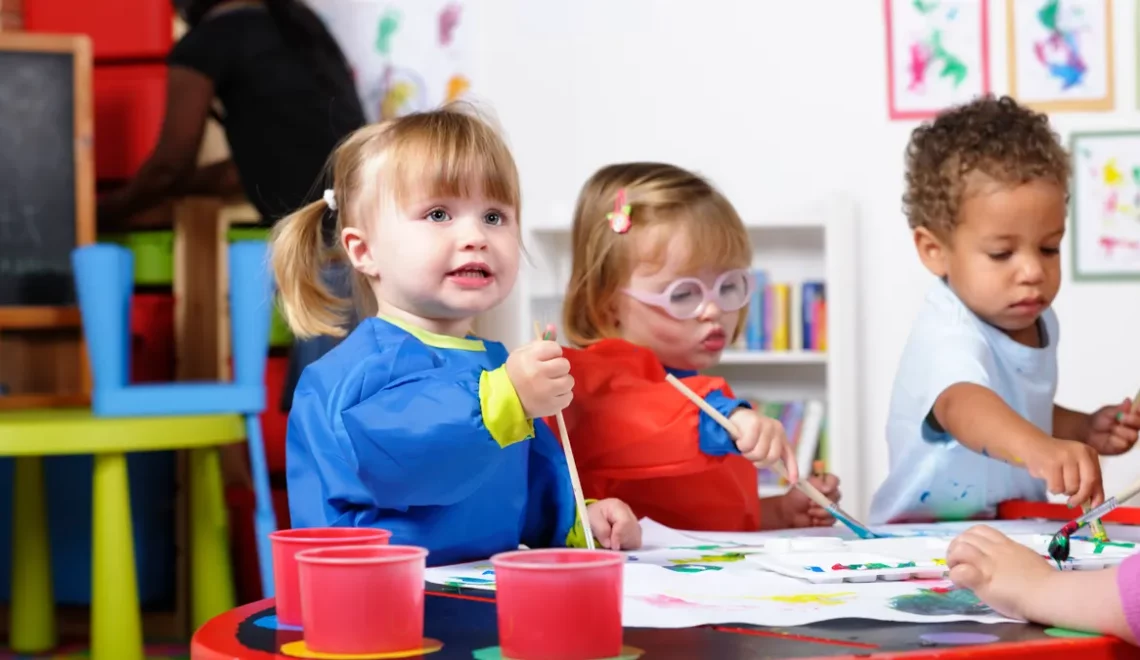
Sensory play is increasingly recognized as a key part of early childhood education, offering children hands-on experiences that engage touch, sight, sound, smell, and even movement. Activities such as water tables, sand play, clay modeling, and simple woodworking introduce young learners to the world in a way that screens and passive learning cannot replicate.
Researchers and educators highlight that these experiences are not just “play” in the casual sense—they are foundational for cognitive, emotional, and language development.
Why Sensory Play Matters for the Developing Brain
According to early childhood education specialists, the first years of life are a critical period for brain development. During this stage, the brain is rapidly forming and strengthening neural connections.
When children engage in sensory play, multiple brain systems activate at once. For example, a child kneading dough is not only touching and shaping an object but also smelling it, observing changes in texture, and often describing the experience aloud. This combination of sensory input strengthens neural pathways and supports what scientists describe as efficient communication between different brain regions.
In simple terms, the more senses involved in an activity, the more deeply the brain processes and stores the experience.
Learning Through Experience Instead of Screens
One of the major benefits of sensory play is that it introduces cause-and-effect learning in a physical, tangible way. When a child pours water, builds with sand, or presses clay, they immediately see the consequences of their actions.
Unlike digital environments, real-world materials provide unpredictable textures and responses. This encourages children to experiment, adapt, and think critically.
Educators emphasize that these types of interactions cannot be fully replicated through screens. While digital tools may simulate experiences, they do not offer the same physical feedback that helps young children understand how the world works.
Language Development Through Sensory Activities
Sensory play also plays a major role in language growth. As children interact with different materials, they naturally begin to describe what they feel, see, and experience.
Instead of simple descriptions, sensory-rich environments encourage more advanced vocabulary. A child might say “sticky,” “smooth,” “grainy,” or “cold,” building a more detailed understanding of language and expression.
This kind of learning helps children move beyond basic communication and develop the ability to express complex thoughts and emotions.
Emotional Regulation and Focus
Beyond cognitive development, sensory play also supports emotional well-being. Engaging with tactile materials like sand, slime, or water can have a calming effect on children, helping them regulate stress and emotions.
Educators note that focusing on a single sensory task helps children develop attention control. When a child is absorbed in shaping clay or pouring water, they learn how to maintain focus despite distractions around them.
This skill becomes increasingly important as they progress into more structured learning environments, such as kindergarten and primary school.
Preparing for School Transitions
The transition into kindergarten can be challenging for many children due to larger class sizes, more structured routines, and increased academic expectations.
Sensory play is seen as a valuable tool in easing this transition. It provides moments of calm and familiarity in a more demanding environment. By engaging the senses, children can reset their attention, reduce anxiety, and return to learning tasks with greater readiness.
Studies have also linked sensory-rich activities with reduced stress responses, including lower levels of cortisol, the hormone associated with stress.
The Role of Teachers and Early Education Settings
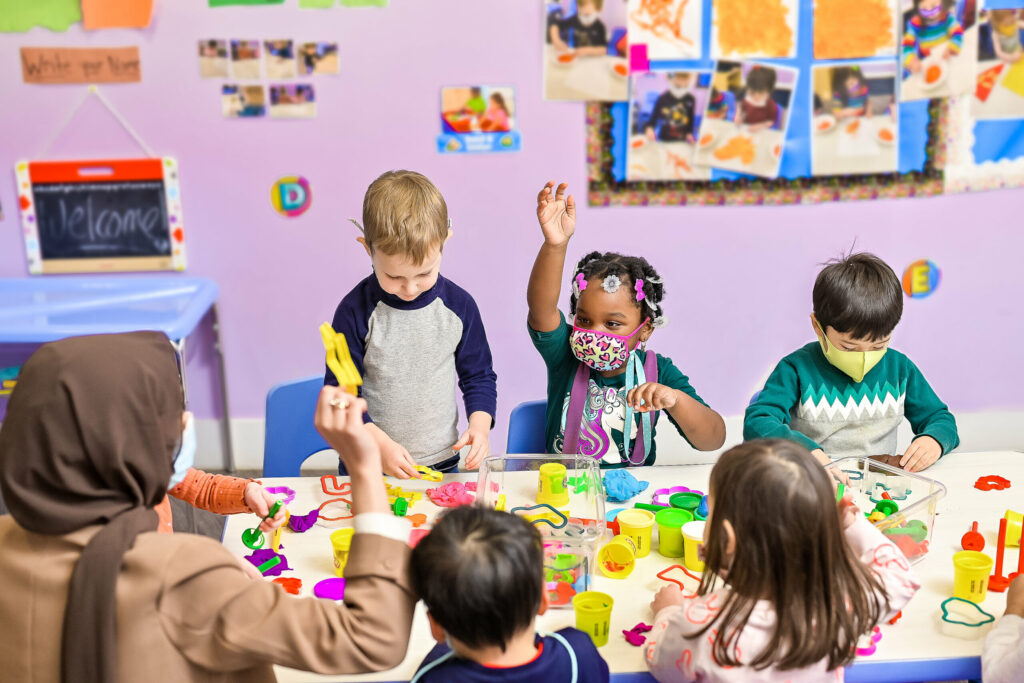
Educators are increasingly encouraged to integrate sensory experiences into daily classroom activities. This can include simple setups like sand trays, water stations, textured materials, or creative building tools.
These activities do not require complex equipment but instead rely on intentional planning that allows children to explore freely while still learning key developmental skills.
Teachers also observe that sensory play creates opportunities for collaboration, communication, and social development as children often interact while engaging with shared materials.
Building Foundations for Lifelong Learning
Experts agree that sensory play is not just beneficial in early childhood—it lays the groundwork for future academic success. The ability to focus, regulate emotions, communicate effectively, and think critically all begin with these early experiences.
By engaging multiple senses and encouraging active exploration, sensory play helps children build stronger cognitive frameworks that support learning throughout their education.
In this way, simple activities like playing with sand, water, or clay become powerful tools in shaping how children understand and interact with the world around them.