

Screen Time for Babies Under Two: New Research Raises Serious Concerns About Early Development
A major new research review suggests that screen exposure in babies and toddlers under the age of two may be linked to long-term developmental risks. The findings add to growing concerns among scientists and child development experts about how early and frequent use of smartphones, tablets, and televisions may affect infants during a critical stage of brain growth.
The study argues that screen time at this age should be avoided and warns that current guidance may not fully reflect the potential risks.
Why the First Two Years Matter So Much
Early childhood, especially the first 1,001 days of life, is a period of rapid brain development. During this stage, babies build foundational skills in:
- Language and communication
- Emotional bonding and attachment
- Motor and sensory development
- Social interaction
Researchers emphasize that these skills are formed largely through real-world interaction—especially face-to-face engagement with caregivers, physical play, and exploration of the environment.
The concern is that screen use may replace or reduce these essential experiences.
Key Findings from the Research Review
The study, described as one of the most comprehensive reviews of existing global research on the topic, identifies several potential risks associated with screen exposure in children under two.
Reduced Parent–Child Interaction
One of the main concerns is that screen time can reduce opportunities for bonding between babies and caregivers. Instead of responding to facial expressions, speech, and physical cues, infants may become more passively engaged with devices.
This shift may weaken early attachment patterns that are important for emotional development.
Delayed Language Development
Researchers highlight a consistent association between screen exposure and reduced language acquisition in early childhood. Babies learn language primarily through direct interaction, repetition, and responsive communication.
When screens replace conversation, opportunities for learning new words and practicing speech naturally decrease.
Impact on Sleep and Overstimulation
The review also points to evidence that screen use may contribute to:
- Difficulty falling asleep
- Disrupted sleep patterns
- Overstimulation of the developing brain
Bright visuals, rapid movement, and constant sound changes can make it harder for young children to regulate attention and rest.
Reduced Physical Activity
Another concern is that screen time can limit physical exploration. For infants and toddlers, movement is essential for developing coordination, strength, and spatial awareness.
Excessive passive screen use may reduce time spent crawling, walking, and interacting with the physical environment.
Emotional Regulation and Comfort Dependency
Researchers warn that some children may begin to rely on digital devices for comfort or soothing. Instead of turning to caregivers for reassurance, infants may become accustomed to screens as a calming tool.
This could potentially affect emotional development and coping mechanisms later in childhood.
Eye Health and Physical Development Concerns
Although more research is needed, there are concerns about early exposure contributing to issues such as:
- Eye strain
- Reduced attention span
- Links to sedentary behavior and childhood obesity risk
These associations are not yet fully proven but are considered important areas for further study.
Important Limitation: No Proven Causal Link
Despite the strong warnings, researchers stress that the review does not establish direct causation. In other words, it does not prove that screen time directly causes developmental delays.
Instead, it highlights consistent patterns across multiple studies that suggest potential risk factors worth taking seriously.
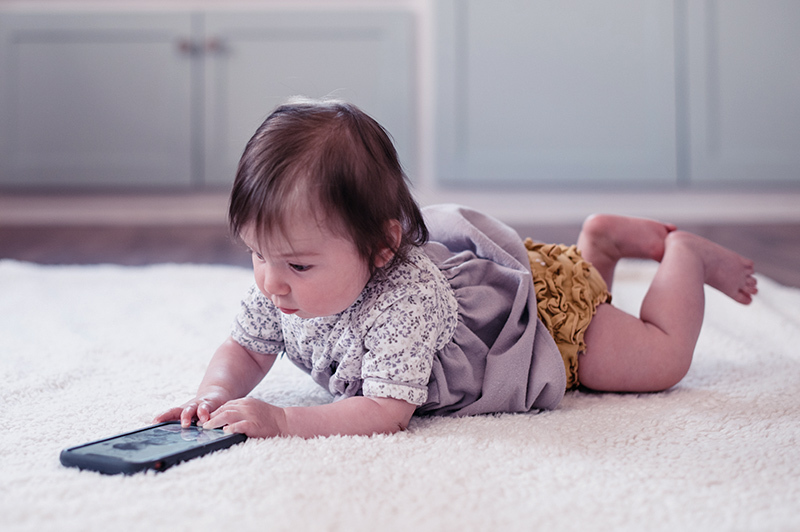
The Recommendation: Avoid Regular Screen Time Under Two
The researchers are clear in their conclusion: babies under two should not be exposed to regular intentional screen time.
They note that:
- Passive exposure (such as background TV) is often unavoidable in modern life
- However, deliberate use of screens for entertainment or calming purposes adds unnecessary risk
- There is no clear developmental benefit to screen use at this age
The report also warns that mixed or unclear guidance can be misinterpreted by parents as approval of early screen exposure.
Concerns About Parenting and Modern Technology
Experts involved in the study highlight a broader social issue: many parents are using screens in everyday routines without clear guidance on potential consequences.
Researchers argue that this is not about blaming parents, but about recognizing how deeply embedded digital devices have become in family life.
There is concern that babies are growing up in environments where screens are used for distraction, entertainment, and even emotional regulation from the earliest months of life.
Calls for Policy and Support Changes
The study proposes several measures to address the issue more effectively:
Better Public Guidance
Clearer recommendations that avoid ambiguity about “safe” screen use for infants.
Risk Awareness Tools
A proposed “screen-time risk assessment” could help professionals identify developmental concerns early.
Family Support Services
Greater access to parenting support hubs where caregivers can receive practical advice on early childhood development and digital habits.
Industry Responsibility
Technology companies are also urged to consider how content is labeled and promoted for very young audiences.
Different Perspectives on Screen Time Guidance
Some child development authorities emphasize that existing recommendations already advise avoiding screen time for children under two, except in limited cases such as:
- Video calls with family
- Shared, supervised viewing
- Specific educational or therapeutic contexts
They argue that guidance is meant to support parental judgment rather than replace it.
Conclusion
The new research adds weight to growing concerns about early screen exposure and its possible effects on infant development. While it does not claim definitive proof of harm, it strongly suggests that limiting screen use in children under two is a precautionary approach supported by current evidence.
The central message from researchers is straightforward: early childhood development depends heavily on human interaction, physical exploration, and emotional bonding—and screens should not replace those experiences during the most formative stage of life.