
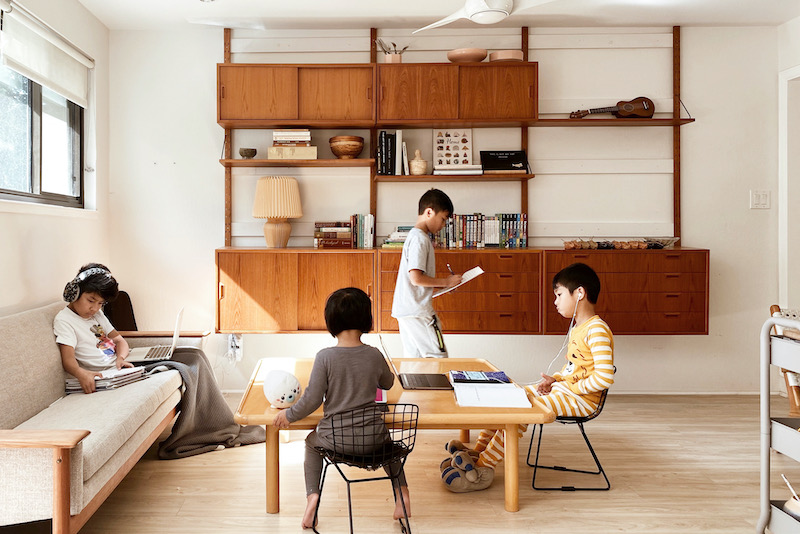
Homeschooling Wisdom: A Deep Guide for New Mothers Starting the Journey
Beginning the homeschooling journey can feel both inspiring and overwhelming. For many mothers, especially those just starting out, the decision to educate their children at home comes with a mix of excitement, fear, doubt, and determination. Questions arise constantly: Am I capable? Will my children succeed? What if I fail them?
These concerns are natural. Every homeschooling parent, no matter how confident they may seem today, once stood at the same uncertain starting point. What transforms that uncertainty into confidence is not perfection, but experience, patience, and a willingness to grow alongside your children.
Homeschooling is not simply an educational choice—it is a lifestyle, a long-term commitment, and a deeply personal journey that evolves over time.
The Early Struggles: Fear, Pressure, and Unrealistic Expectations
In the beginning, many mothers feel an intense pressure to “get everything right.” There is a fear of judgment from others and an internal anxiety about whether their children are learning enough. The idea that someone might ask a child a simple question and expose a gap in knowledge can feel terrifying.
This mindset often leads to over-structuring, over-planning, and unnecessary stress. Mothers may try to replicate traditional school systems at home, believing that strict schedules and rigid curricula are the only way to succeed.
However, this approach often leads to burnout—not only for the parent but also for the child.
Over time, one important truth becomes clear: education is not about knowing everything. It is about curiosity, growth, resilience, and the ability to learn continuously.
Learning to Relax: The Foundation of a Healthy Homeschool
One of the most valuable lessons any homeschooling mother can learn is to relax. This does not mean abandoning responsibility—it means releasing unrealistic expectations.
Homeschooling requires effort, consistency, and dedication, but it should also bring joy. When you allow yourself to slow down and enjoy the process, you begin to notice the unique personalities, interests, and strengths of your children.
Spending more time together is one of the greatest advantages of homeschooling. Unlike traditional schooling, where family time is limited to evenings and weekends, homeschooling allows relationships to develop naturally throughout the day.
It is important to remember that you are not required to entertain your children constantly. Teaching independence is just as important as teaching academics. When children learn how to manage their time and explore on their own, the entire household becomes more balanced.
The Power of Reading Aloud: Building Connection Through Stories
Reading aloud is one of the most powerful tools in homeschooling. Regardless of age, children benefit from listening to stories. It strengthens comprehension, expands vocabulary, and fosters imagination.
More importantly, reading together creates lasting emotional connections. Books become shared experiences, filled with inside jokes, memorable characters, and meaningful discussions.
Even children who struggle with reading independently often develop a deep appreciation for stories when they are read aloud. These shared moments can become some of the most cherished memories of the homeschooling journey.
Letting Go of Comparison: Every Child Has Their Own Path
One of the biggest challenges in homeschooling is resisting the urge to compare. In a world filled with social media and success stories, it is easy to feel like your child is falling behind.
But learning is not a race.
Each child develops at their own pace, with their own strengths and challenges. Some children learn to read early, while others take more time. Some excel in math, while others thrive in creative subjects.
What matters is progress—not comparison.
As a parent, you understand your child better than anyone else. Trusting that understanding is essential. When you follow your child’s natural rhythm, learning becomes more effective and far less stressful.
Keeping It Simple: Focusing on What Truly Matters
In the early years, it is easy to overcomplicate homeschooling. Many parents feel the need to include multiple subjects, advanced materials, and structured programs from the very beginning.
In reality, young children need far less than most people think.
The core foundations—reading, writing, and basic math—are more than enough in the early stages. Everything else can be introduced gradually over time.
When the workload becomes overwhelming, it is perfectly acceptable to simplify. Reducing pressure allows children to build confidence and enjoy learning, which is far more valuable than covering excessive material.
Avoiding Overscheduling: The Hidden Danger of “Doing Too Much”
Another common mistake is overscheduling. In an effort to provide socialization and enrichment, parents often enroll their children in numerous activities—sports, classes, clubs, and more.
While these opportunities can be beneficial, too many commitments can quickly become exhausting. Long hours spent traveling between activities can replace meaningful learning time and family interaction.
A balanced approach is essential. Limiting extracurricular activities ensures that children have time to focus on their studies, rest, and simply enjoy being kids.
Homeschooling offers flexibility—use it wisely.
Kindness and Patience: The Emotional Core of Homeschooling
Homeschooling is not always smooth. There will be difficult days—days filled with frustration, resistance, and self-doubt.
During these moments, kindness becomes crucial.
Children will struggle. They will make mistakes repeatedly. They may forget things you have already taught them. This is a natural part of learning.
Reacting with patience instead of frustration builds trust and emotional security. It teaches children that mistakes are not failures, but opportunities to grow.
Sometimes, the best decision is to step away from the books altogether. Taking a break, going outside, or simply spending time together can reset the entire atmosphere.
Redefining Education: Homeschooling Is Not School at Home
One of the most liberating realizations is that homeschooling does not need to resemble traditional schooling.
Public education systems are designed for large groups, requiring structure and uniformity. Homeschooling, on the other hand, is personal and flexible.
As a homeschooling parent, your role is not just that of a teacher—you are a guide, a mentor, and a partner in your child’s learning journey.
You have the freedom to explore topics deeply, follow interests, and adjust your approach whenever needed. This flexibility allows for a richer and more meaningful educational experience.
Ignoring Criticism: Staying Confident in Your Choice
Not everyone will understand or support your decision to homeschool. Some people may question your methods or express doubts about your child’s future.
It is important not to internalize these opinions.
Most criticism comes from a lack of understanding. People tend to trust what they are familiar with, and homeschooling challenges conventional expectations.
You do not need to prove anything to anyone. Your focus should remain on your children and what works best for your family.
Embracing Mistakes: Growth Comes Through Imperfection
Mistakes are inevitable—and they are valuable.
Whether it is choosing the wrong curriculum or struggling with a particular teaching method, every mistake provides insight. Adjusting your approach is part of the process.
Creating a safe environment where both you and your children can make mistakes without fear is essential. This builds resilience and encourages a love of learning.

Living in the Present: The Key to Sustainable Homeschooling
It is tempting to plan everything in advance—years of curriculum, future academic goals, long-term outcomes. But this often leads to unnecessary stress.
Homeschooling is most effective when approached one step at a time.
Focusing on the present allows you to adapt, respond to your child’s needs, and fully experience the journey. Education is not just about the destination—it is about the daily moments that shape growth.
Conclusion: A Journey Worth Taking
Homeschooling is not easy. It requires commitment, patience, and constant adaptation. There will be challenges, doubts, and moments of exhaustion.
But it also offers something truly unique—the opportunity to build deep relationships, to witness your children’s growth firsthand, and to create a learning environment tailored specifically to them.
The days may feel long, but the years pass quickly.
In the end, homeschooling is more than an educational method—it is a meaningful investment in your children’s lives and in your relationship with them.
And despite all the challenges, many parents find that it is one of the most rewarding journeys they have ever taken.