

Why Grandparents Matter More Than Ever for Children’s Mental Health
A growing concern among mental health professionals is the rising level of emotional distress among children and teenagers. With reports suggesting that more than 40% of adolescents experience persistent feelings of sadness or hopelessness, experts are looking beyond traditional parenting models for solutions.
One child psychologist argues that an often-overlooked factor in children’s emotional development is the role of grandparents. According to this perspective, extended family relationships may be one of the strongest protective factors for children growing up in an increasingly isolated and high-pressure society.
The Mental Health Crisis Among Young People
Child and adolescent mental health has become a major public health issue in recent years. Rising levels of anxiety, depression, and emotional instability among young people have prompted concern from clinicians, educators, and policymakers.
Some researchers suggest that modern family structures—often smaller, more fragmented, and geographically dispersed—may contribute to reduced emotional support systems for children.
In this context, attention has turned to the role of extended family, particularly grandparents, as a stabilizing influence.
The Role of Grandparents in Child Development
Psychologist Kenneth Barish, a clinical professor of psychology at Weill Cornell Medicine, argues that children are biologically and socially adapted to grow within broader family networks, not isolated nuclear households.
He suggests that the decline of extended family involvement has removed a key layer of emotional support that historically helped children develop resilience.
From this perspective, grandparents are not simply additional caregivers but emotional anchors who contribute to a child’s sense of security and belonging.
Why Connection and Community Matter
Barish emphasizes that modern culture often places heavy emphasis on individual achievement, sometimes at the expense of emotional connection and community values.
He argues that this shift can create environments where children feel pressure to succeed but lack the emotional grounding needed to handle stress effectively.
In contrast, relationships with grandparents can reinforce values such as empathy, kindness, cooperation, and shared purpose.
These connections help children see themselves as part of a wider social network rather than isolated individuals competing for success.
The Importance of Purpose in Emotional Health
A central theme in Barish’s perspective is the idea that children benefit from having a sense of purpose beyond personal achievement.
He argues that motivation based solely on performance—such as grades, competition, or success metrics—can become fragile and anxiety-inducing over time.
Instead, children develop stronger emotional stability when they are encouraged to:
- Help others
- Engage in family and community activities
- Understand the needs and feelings of others
- Participate in meaningful shared experiences
Research cited in related psychological literature suggests that prosocial behavior, such as volunteering or helping others, is linked with higher self-esteem, reduced depressive symptoms, and improved overall well-being.
Grandparents as Emotional Support Systems
One of the key contributions grandparents can make is consistent emotional presence. Barish describes these small interactions as emotionally meaningful moments that help shape a child’s internal sense of security.
These may include:
- Listening without judgment
- Showing interest in a child’s experiences
- Offering encouragement during difficulties
- Sharing stories and life experiences
- Providing calm, steady attention
Such interactions help children develop what psychologists sometimes refer to as emotional resilience—the ability to recover from stress and manage difficult feelings.
The Concept of Emotional Security
According to Barish, one of the most important psychological protections for children is the belief that someone will consistently listen and understand them.
This sense of emotional security acts as a buffer against stress, rejection, and failure. When children feel emotionally supported, they are more likely to:
- Recover from setbacks
- Develop healthy relationships
- Express emotions constructively
- Feel less isolated during difficult moments
Grandparents often provide this type of support in a different way than parents, offering a calmer and less pressured emotional environment.
The Role of Play and Positive Interaction
Another important aspect of grandparent involvement is shared enjoyment. Activities such as play, storytelling, hobbies, and informal conversation contribute significantly to emotional bonding.
These moments are not just recreational—they help reinforce trust, connection, and emotional safety.
Positive engagement also supports cognitive and social development by encouraging curiosity, imagination, and communication skills.
The Problem of Excessive Criticism
While discussing family dynamics, Barish highlights an issue he frequently observes in clinical practice: the impact of excessive criticism on children’s emotional development.
He argues that constant correction or negative feedback can:
- Undermine confidence
- Increase resistance and defiance
- Reduce motivation
- Damage the parent-child relationship
This does not mean children should not receive guidance or correction, but that the emotional tone of communication matters significantly.
Rethinking Praise and Motivation
Not all praise is equally effective in supporting healthy development. Barish draws on psychological research suggesting that praise focused on effort and learning is more beneficial than praise focused on innate ability.
For example:
- Praising persistence and effort helps build resilience
- Emphasizing intelligence or talent can create pressure and fear of failure
This approach aligns with the concept of a “growth mindset,” where children are encouraged to view abilities as developable rather than fixed traits.
Grandparents as Teachers of Emotional Wisdom
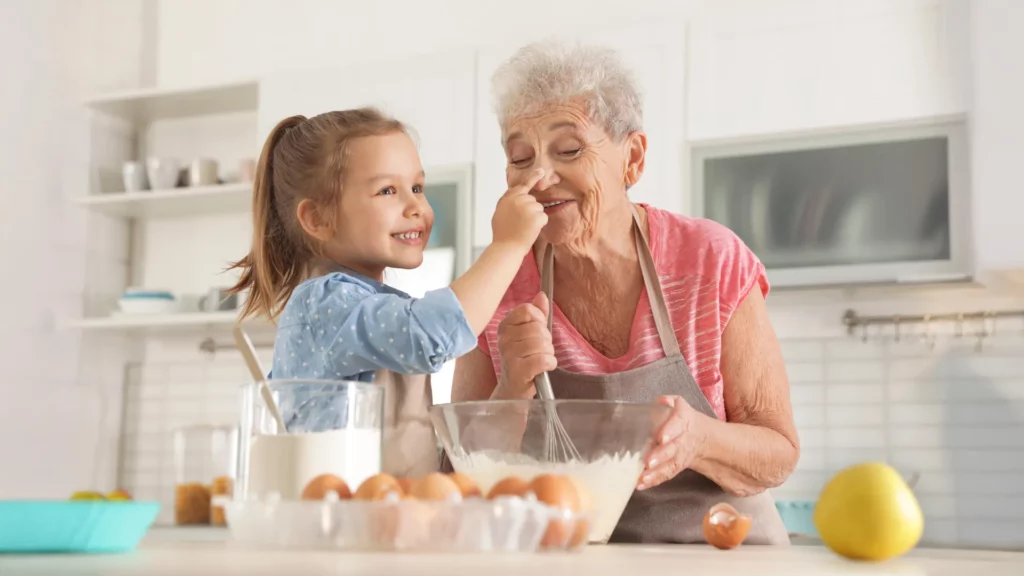
Beyond emotional support, grandparents often serve as informal teachers of life experience. Through stories, conversation, and reflection, they help children understand:
- How relationships evolve and can be repaired
- How challenges and setbacks are part of life
- How emotions can change and pass over time
- How resilience develops through experience
This type of guidance is often delivered in a slower, more reflective way than modern parenting routines allow.
Collaborative Problem Solving in Families
Barish also emphasizes the importance of involving children in problem-solving rather than relying solely on punishment or control.
He suggests that cooperative approaches help children develop:
- Responsibility
- Emotional regulation
- Decision-making skills
- A sense of agency
Grandparents can play an important role here by reinforcing calm communication and offering perspective during family conflicts.
A Shift From Skills to Relationships
A central argument in this perspective is that raising emotionally healthy children is less about teaching specific skills and more about building strong relationships.
According to Barish, children thrive when they experience:
- Consistent emotional connection
- Supportive conversations
- Opportunities to feel understood
- A sense of belonging within family networks
In this framework, grandparents are not peripheral figures but essential contributors to a child’s emotional development.
Conclusion
The role of grandparents in children’s lives may be more important than ever in the context of rising youth mental health challenges. As modern life becomes increasingly fast-paced and individualized, extended family relationships can provide stability, emotional grounding, and a sense of continuity.
While parents remain central to child development, grandparents offer something uniquely valuable: time, perspective, emotional calm, and unconditional presence.
Together, these relationships may help strengthen children’s resilience, improve emotional regulation, and foster a deeper sense of connection and purpose in an increasingly complex world.